Why fire damage is also water damage
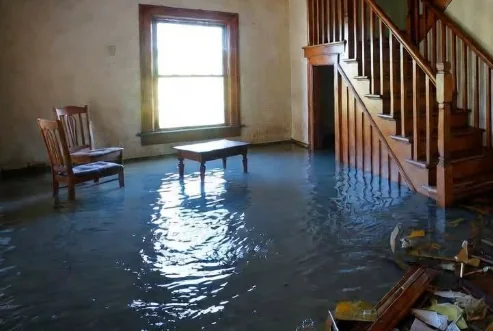
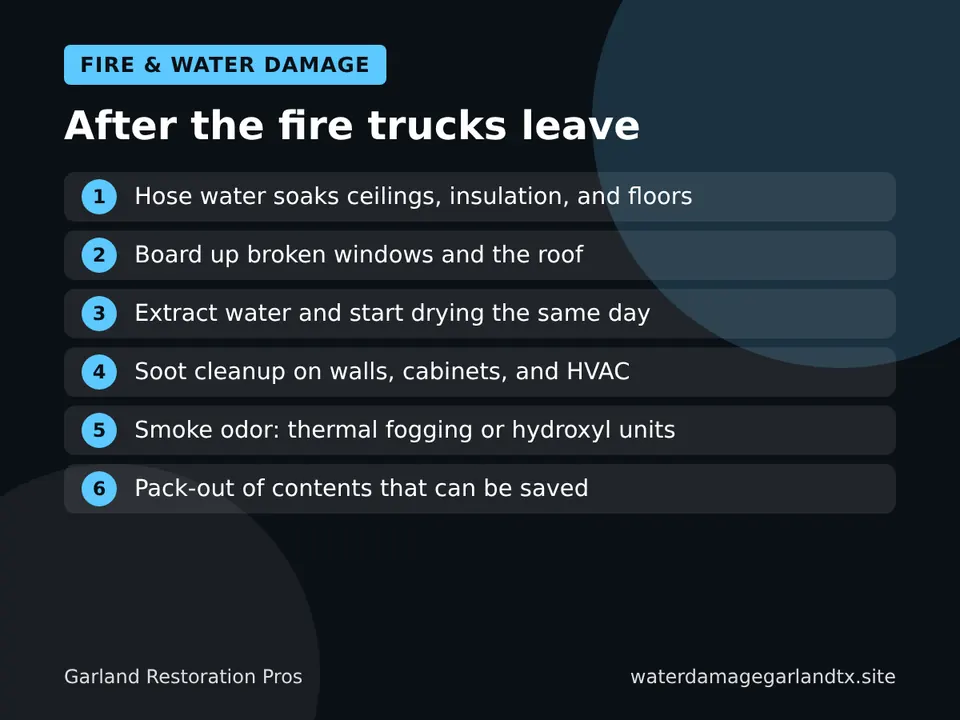
Firefighters use hundreds or thousands of gallons of water to put out a house fire. That water soaks ceilings, insulation, walls, and floors in rooms the fire never reached. Fire and water damage restoration treats both at once so the home can dry before mold sets in.
A kitchen fire on the first floor can leave the upstairs drywall soaked from the hose line. Water mixes with soot and ash, so it is dirtier than a burst pipe and needs more cleaning.
What fire and water damage restoration covers
It covers securing the building, extracting water, removing burned and soaked materials, drying, soot and smoke cleanup, odor removal, contents cleaning or pack-out, and the final rebuild. One company can coordinate all of it under one claim.
- Board-up and tarping of windows, doors, and roof openings
- Water extraction and drying from firefighting water
- Soot cleanup on walls, ceilings, cabinets, and contents
- Smoke odor removal with thermal fogging, hydroxyl generators, or ozone in empty rooms
- HVAC cleaning so soot does not recirculate
- Contents pack-out and cleaning of items that can be saved
- Rebuild of framing, drywall, cabinets, and finishes
Common fire losses in Garland homes
Kitchen fires from unattended cooking are the most common. Dryer fires from lint-packed vents, electrical fires in older homes with original wiring, and garage fires also happen across Garland. Even a small contained fire can fill the house with smoke and leave a film of soot on every surface.
Our 6-step fire and water restoration process
Fire and water restoration in Garland follows six steps: secure the property, remove water, clear burned debris, dry the structure, clean soot and smoke, and rebuild. Odor work and contents cleaning run alongside these steps.
- Secure. Board up openings and tarp the roof to stop rain and theft.
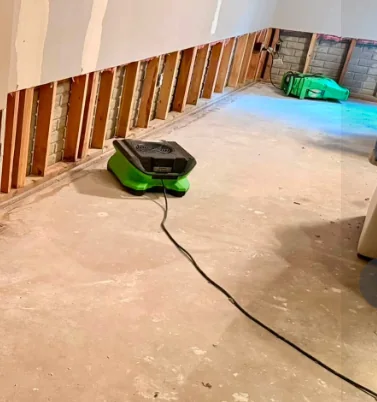
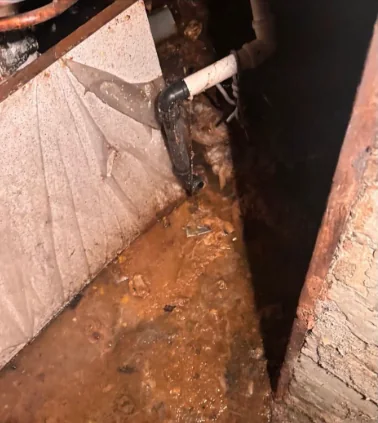
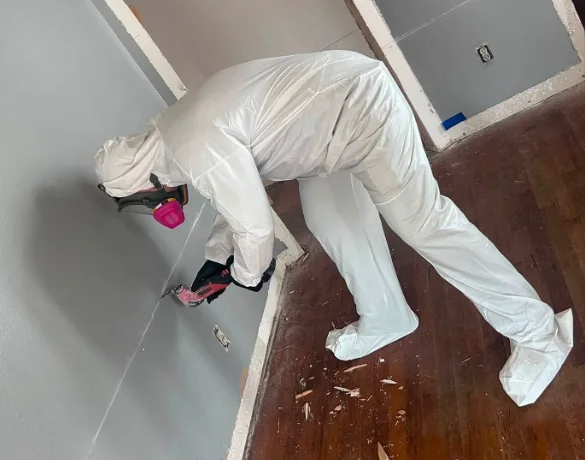
- Remove water. Extract standing water and pull soaked insulation and drywall.
- Clear debris. Charred materials and ruined contents are removed and documented.
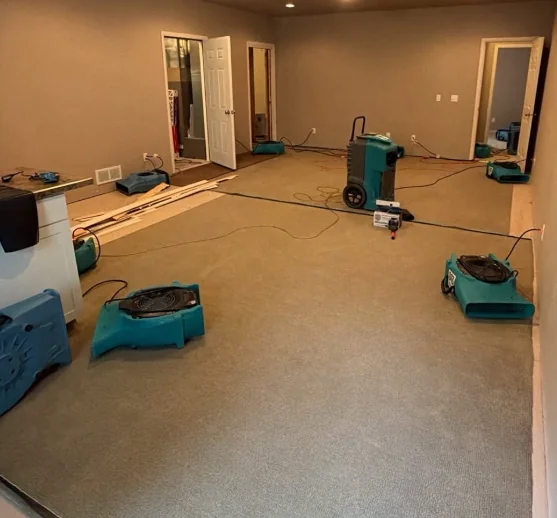
- Dry. Air movers and dehumidifiers dry the structure, just like any water loss.
- Clean soot and smoke. Dry sponges, HEPA vacuums, and specialty cleaners for each soot type. Odor treatment follows.
- Rebuild. Framing, drywall, cabinets, flooring, and paint once the structure is clean and dry.
Fire and water damage restoration cost in Garland
Small kitchen fires with water and smoke cleanup in Garland often cost $3,000 to $10,000. Larger fires with structural damage can reach $25,000 to $75,000 or more. Most of these losses are covered by homeowners insurance.
| Fire loss | Approx. cost |
|---|---|
| Smoke and soot cleaning, one room | $1,000 – $3,500 |
| Kitchen fire, water + smoke, contained | $3,000 – $10,000 |
| Multi-room fire with board-up and drying | $10,000 – $40,000+ |
| Board-up only | $300 – $1,500 |
What to do after a house fire
Once the fire department says it is safe, call your insurer, secure the home, and call a restoration company. Do not turn on the power or HVAC until an electrician checks it, and do not try to wash soot off walls yourself.
- Ask the fire department for the incident report number.
- Do not wipe soot; it can smear and set into paint.
- Do not eat food that was near heat, smoke, or water.
- Take photos of every room and item before cleanup.
- Keep receipts for hotel, meals, and clothing; these may be covered under loss of use.
Fire and water damage in Garland neighborhoods
Fire calls in Garland come from every kind of home, but the cleanup changes with the building. Older ranch homes near downtown often have plaster or thin drywall and original wiring; newer two-story homes in Firewheel have open stairwells that pull smoke upstairs; apartments in South Garland share walls and ceilings.
In a shared-wall apartment, firefighting water can reach units on both sides and below. Each unit needs its own moisture readings, and the property manager's insurer and each tenant's renters policy may all be involved. Good documentation from the first visit keeps those claims from tangling.
In a two-story home, smoke rises through the stairwell and leaves soot on upstairs ceilings, even when the fire stayed in the kitchen. Crews clean from the top down and treat the HVAC system, since the return air pulled smoke through every duct.
Garland Fire Department crews typically ventilate the home by breaking windows or cutting the roof. Those openings let rain in later, so board-up and tarping on the first day protect the dry-out from a North Texas thunderstorm.
Choosing a fire and water restoration company
Look for crews trained in both water damage restoration and fire and smoke restoration, with the equipment for drying and odor control. A provider that handles the full job, from board-up to rebuild, keeps one point of contact for your adjuster.
If the fire was small but the hose water was not, start with water damage cleanup in Garland.
Related reading: water damage restoration cost guide and texas homeowners insurance water damage guide.