What is water damage mitigation?
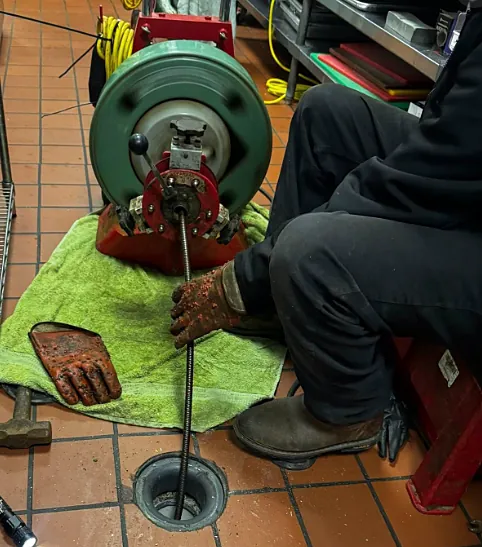
Water damage mitigation is the emergency part of a water job: stopping the water, removing it, pulling out materials that cannot be saved, and drying the structure. Its goal is to keep the loss from growing. In Garland, mitigation usually starts within hours of your call and runs 3 to 5 days.
Think of mitigation as damage control. Restoration and repairs come later. Mitigation is what happens in the first 48 hours, and it decides how big the rest of the job will be.
Your homeowners policy also expects it. Most Texas policies include a duty to take reasonable steps to prevent further damage. Calling for water damage mitigation in Garland TX right away protects your home and your claim.
When do you need emergency mitigation?
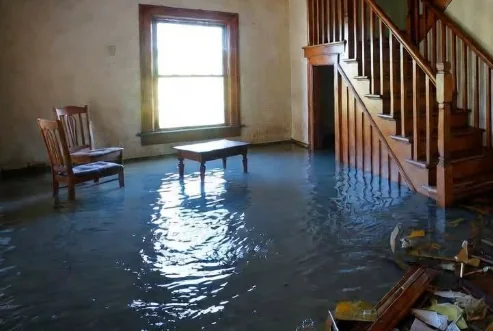
You need emergency mitigation when water is still entering the home, when more than one room is wet, when water touches walls or ceilings, or when the water is dirty. If you cannot dry it with towels in an hour, call a pro.
- A supply line, water heater, or pipe that burst and flooded a room
- Water coming through a ceiling from an attic AC unit or roof
- Wet carpet across a hallway or several bedrooms
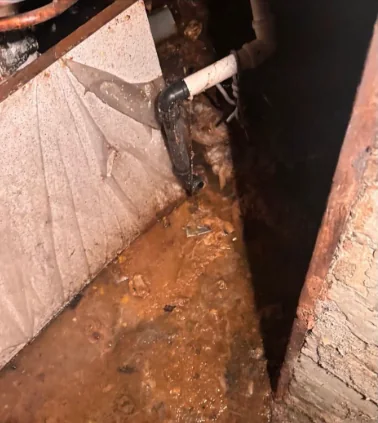
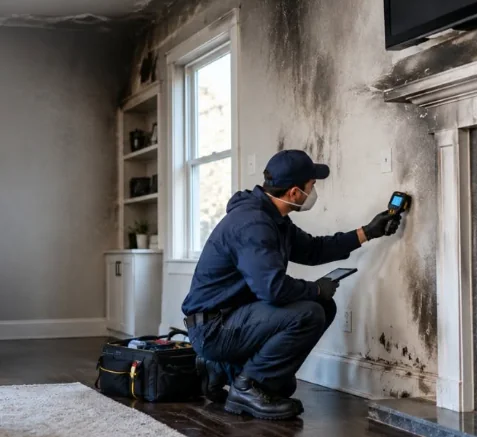
- Water that has soaked into drywall, which shows as a dark line
- A toilet, washer, or dishwasher overflow that spread under cabinets
- Storm water that came in under doors or through windows
Emergency mitigation jobs we see in Garland
Garland calls tend to follow the weather. In winter, a hard freeze splits pipes in garage ceilings and exterior walls, and the water shows up when the ice melts. In spring, hail and wind-driven rain push water through roofs and around windows in North Garland and along Lake Ray Hubbard.
Summer brings attic leaks. A clogged condensate line or a rusted pan under the air handler sends water through the upstairs ceiling, often in July and August when the AC never stops. Year-round, older homes near downtown and West Garland see pinhole leaks in copper and galvanized lines inside walls.
Apartment buildings in South Garland add another layer: water from one unit runs into the one below. Fast mitigation in both units keeps the claim simple.
Our 6-step emergency mitigation process
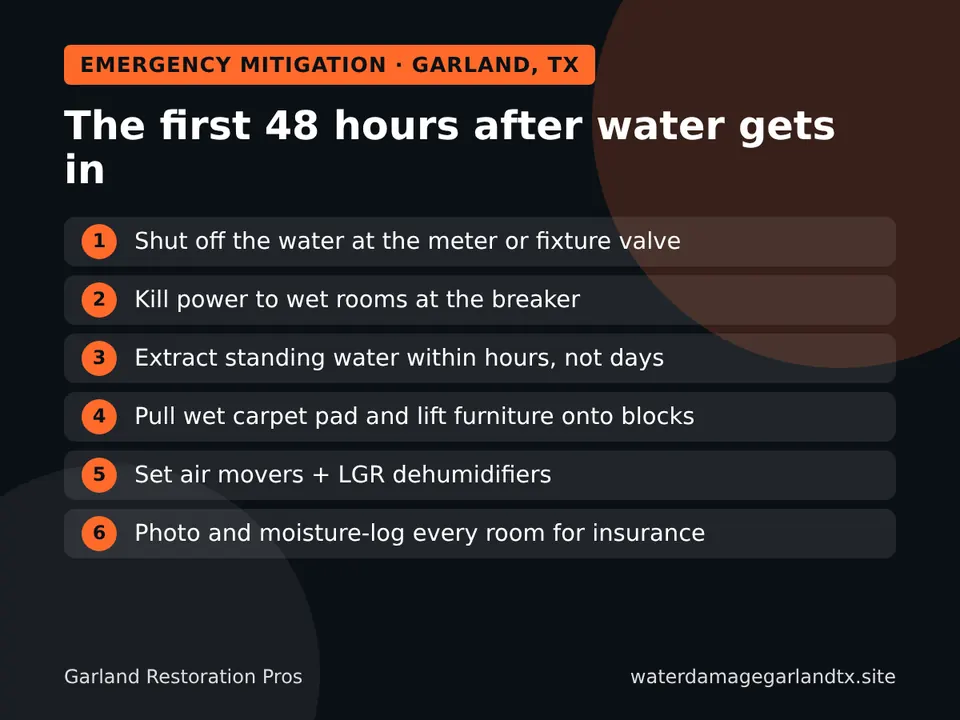
Emergency mitigation in Garland follows six steps: make the home safe, stop the source, extract the water, remove wet materials, set drying equipment, and monitor readings every day until the home is dry.
- Make it safe. The crew checks for wet outlets, a damp electrical panel, and sagging ceilings before anyone walks in.
- Stop the source. If the main valve is still open, they shut it at the meter box and cap the broken line so you can get water back to the rest of the house.
- Extract the water. Truck-mounted or portable extractors pull water from carpet, tile, and the slab. Weighted extraction tools squeeze extra water out of carpet.
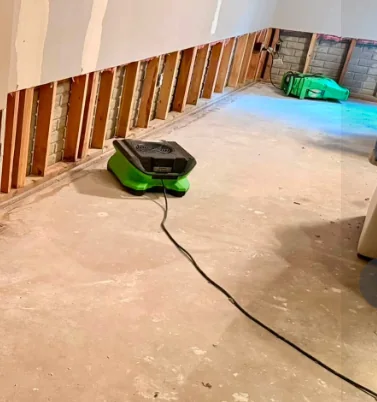
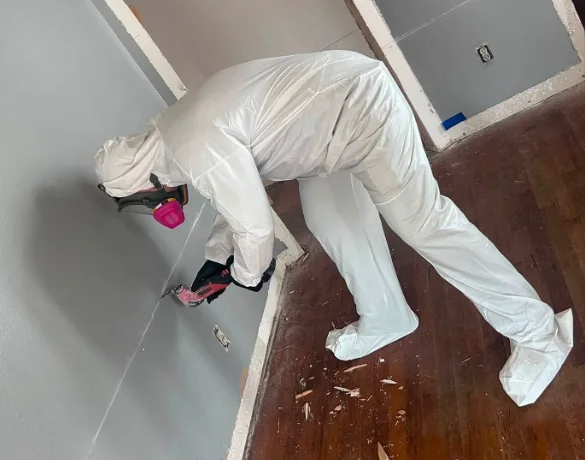
- Remove what holds water. Carpet pad, MDF baseboards, and drywall that wicked water get cut out, often as a 2 foot flood cut.
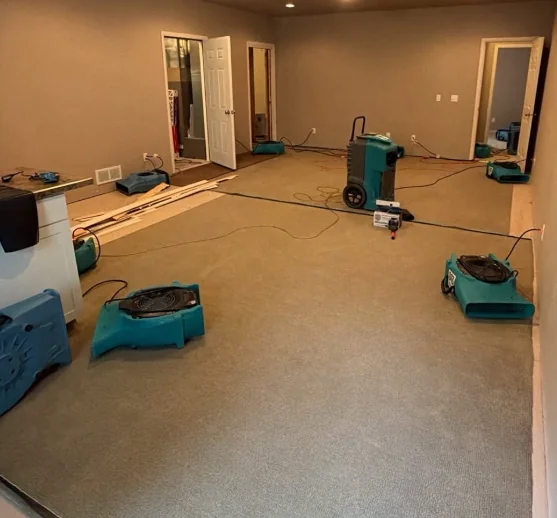
- Dry the structure. Air movers, LGR dehumidifiers, and sometimes wall cavity injection dryers run around the clock.
- Monitor and document. Moisture readings, photos, and equipment logs are recorded daily until every material hits a dry standard.
How much does emergency mitigation cost in Garland?
Most emergency water damage mitigation jobs in Garland cost about $1,000 to $3,500 for a one- or two-room loss. Larger losses, ceilings, or Category 3 water raise the price. Night calls may add a fee. Insurance often covers sudden, accidental losses.
| Job size | Approx. cost |
|---|---|
| Small: one room, clean water, caught early | $500 – $1,500 |
| Medium: two to three rooms, some drywall cut | $1,500 – $3,500 |
| Large: ceiling + floors, or several rooms | $3,500 – $7,500+ |
These are estimates. The provider gives you a scope and price after the walk-through.
What you can do before the crew arrives
While you wait, shut off the water, turn off power to wet rooms, move valuables up, and take photos. Do not use a household vacuum on standing water and do not walk under a sagging ceiling.
- Find the main shut-off. In most Garland homes it sits in the meter box near the street; some have a second valve in the garage.
- If water is coming through a light fixture, turn off that breaker.
- Put aluminum foil or plastic under furniture legs on wet carpet.
- Open interior doors and cabinets to start airflow.
- Write down when the leak started. Your adjuster will ask.
Mitigation versus restoration
Mitigation is the dry-out. Restoration is the put-back. Insurance companies often treat them as two separate parts of the claim, and some Garland companies only do one. When the dry-out is done, the next step is water damage repair in Garland for drywall, trim, and floors.
Related reading: what to do when a pipe bursts in Garland and how long water damage takes to dry.